Cabinet Door Bumpers: Replace the Missing Cushion Without Changing the Fit
Small cabinet bumpers cushion the contact between a door and its frame. A missing pad can change the closing sound, but adding a thick replacement may also change alignment. Inspect the contact points and hardware before choosing a new bumper.
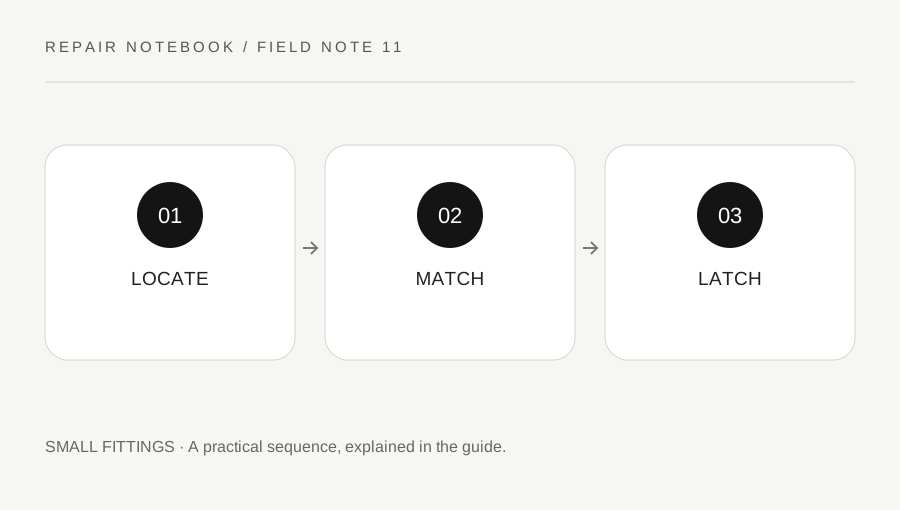
Original explanatory diagram. Numerical examples in this guide illustrate the reasoning; they are not a claim of hands-on testing.
Observe how the door closes
Open and close the small cabinet door slowly. Identify where it meets the frame and whether the original bumpers are missing, loose or flattened. Compare with an equivalent door if available. A closing sound can also come from hinge or latch problems, so locate the actual contact before attaching more material.
Check that the door sits in its normal position and that the hardware is secure. A bumper should not conceal a cracked mounting or force an already misaligned door farther out. Heavy doors, spring mechanisms and special safety hardware fall outside a simple adhesive-pad replacement.
Match shape and working thickness
Look for the cabinet maker's replacement specification. Compare the original bumper's material, diameter and compressed thickness rather than choosing the largest pad in a mixed packet. A replacement needs enough contact area to sit securely without interfering with shelves, catches or neighboring doors.
If one of a paired set is missing, inspect the remaining pad for age-related compression. Using two radically different thicknesses can leave the door resting unevenly. Do not stack several pads to solve an unexplained gap. Check hinge alignment and the intended catch arrangement first.
Prepare a finish-compatible surface
Remove a loose old bumper gently using the cabinet or adhesive maker's approved method. Protect the finish from sharp tools and avoid soaking exposed board edges. Test any permitted cleaner in a hidden location. Old adhesive left in a lump can make the new pad sit poorly even when its thickness is correct.
Allow the mounting area to become clean and dry under the product instructions. Handle the new adhesive as little as possible. Align it with the intended contact point and press for the recommended time. If the product requires a setting period before use, keep the door from repeatedly striking it during that interval.
Check a door that no longer catches
Imagine fitting a thick bumper and finding that a magnetic catch no longer holds. The new pad may keep the door outside the catch's working position. Increasing the magnet force is not the first response. Compare the bumper with the original specification and verify the door alignment.
Replace the unsuitable pad with the correct component and test gently. A latch or catch that still fails may need its own manufacturer-directed maintenance. Do not disable a catch on a cabinet where secure closure serves a child-safety or other important purpose. A cushion and a latch have separate jobs.
Retest after normal use
Confirm that the door closes, sits evenly and remains secured as intended. Check both top and bottom contacts and the gap to adjacent doors. Listen for whether the original impact has changed, while recognizing that a bumper cannot make damaged hinges smooth or silent.
Inspect the adhesive after the stated setting time and a period of normal use. A pad that slides or curls may have incompatible adhesion, poor preparation or an incorrect impact point. Keep the replacement size and material details for later maintenance. Small fittings are easiest to maintain when their purpose and original geometry stay clear.
Compare the contact pattern on the old pad with the intended position. A mark at only one edge can reveal that the door is striking at an angle rather than compressing the bumper evenly.
A practical checklist
Tick items for your own use. This checklist is saved only in this browser.
Questions that come up
Can I add extra bumpers to stop a loud close?
Inspect the hinges, catch and original contact points first. Extra pads can change the closing geometry. Use the cabinet maker’s intended components and positions rather than building up thickness at random.
Why does the door sit proud now?
A thicker or misplaced bumper can hold it away from the frame. Compare the original specification and check hinge alignment before adjusting other hardware.
Should I use stronger glue if a pad slides?
Identify the cause first. Surface preparation, finish compatibility and impact direction matter. Unapproved glue can damage the cabinet and make future replacement harder.
References & scope
Background references checked on 18 October 2026. The examples and practice exercises are original editorial explanations, not copied procedures or professional advice.