Door Weatherstripping: Measure the Gap and Keep the Door Working
A useful door seal closes the intended air gap while allowing the door to latch normally. Choosing a thick strip simply because it feels substantial can make the fit worse. Inspect the door, the frame and the existing seal first.
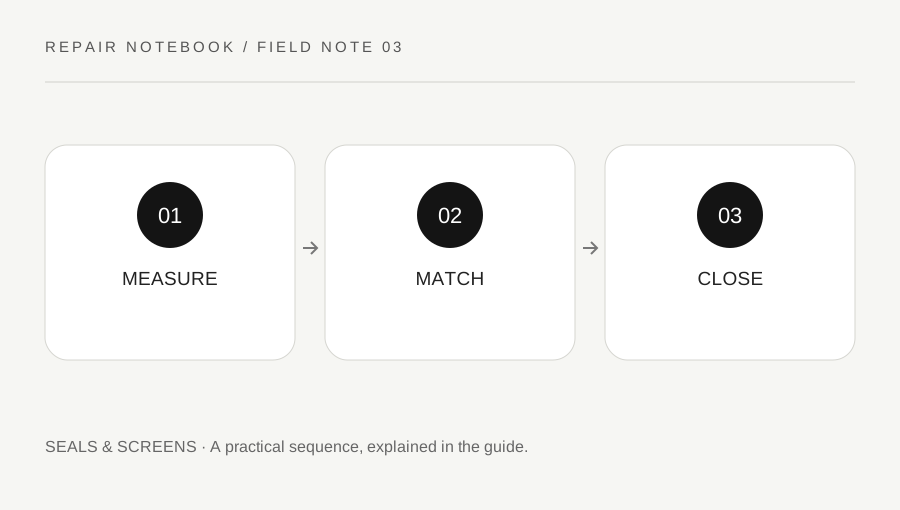
Original explanatory diagram. Numerical examples in this guide illustrate the reasoning; they are not a claim of hands-on testing.
Confirm that a seal is the right problem
Close the door gently and look for visible gaps and damaged existing material. Check whether the latch works without lifting or pushing the door. An uneven gap can come from hinge movement or a distorted frame. A new seal does not correct those causes and may prevent a marginal latch from engaging at all.
Identify special doors before making changes. Fire-rated, smoke-control, security and communal entrance doors can require specified components and professional maintenance. Do not add generic adhesive strips to a door with an unknown certification. Keep intentional ventilation openings, drainage paths and appliance air supplies clear. This guide concerns a suitable ordinary domestic door after those issues have been considered.
Measure the working space
Record the gap at several points with the door closed, using a safe non-damaging measuring method. Do not place fingers in the closing edge. Note the available flat surface for mounting a seal, the existing profile and whether the door slides, swings or meets a threshold. Take photographs and a sample of a removable failed strip if permitted.
Measure the length of each run rather than estimating from the nominal door size. Add a reasonable cutting allowance according to the product instructions. Compare the manufacturer's working gap range with your measurements. Compression and mounting orientation matter as much as the uncompressed thickness shown on the packet.
Prepare and trial the fit
Choose a seal compatible with the surface, movement and gap. Read its temperature, cleaning and curing requirements before removing any backing. Clean and dry the mounting area with a method safe for the finish. If the old strip leaves adhesive behind, follow a compatible removal method instead of scraping through unknown paint.
Trial a short section where the product instructions allow it. Close and latch the door gently. The seal should contact its intended mating surface without excessive resistance or pulling away. Never force the latch against a strip that is too thick. Reconsider the profile or mounting position while the adjustment is still small and reversible.
Use an uneven-gap example
Consider a door with a narrow gap near the hinge and a noticeably wider one near the top latch corner. One thick foam strip all around would over-compress at the hinge while perhaps still fitting poorly elsewhere. First check the door alignment and the condition of the existing hardware. The measurements may show that maintenance is needed before choosing a replacement seal.
After alignment is resolved, select a profile whose operating range covers the actual gap. Cut cleanly and form corners as directed by the manufacturer. Avoid overlapping pieces that create a hard lump. If a bottom seal is involved, verify that the threshold remains usable and the door clears the floor throughout its full travel.
Retest over normal use
Check opening, closing, latching and locking after installation and after the stated adhesive cure time. Ask another regular user to try the door without special instructions; a seal that works only when someone pushes unusually hard needs correction. Look for peeling corners, dragging material and new scuff marks.
Air leakage reduction does not establish whole-room ventilation adequacy. If the home has persistent condensation, combustion equipment concerns or a planned energy retrofit, seek appropriate building advice. Keep the product details and measurements for the next replacement. Rechecking a worn strip is useful maintenance, while repeatedly building up layers of foam usually makes the fit harder to understand.
A practical checklist
Tick items for your own use. This checklist is saved only in this browser.
Questions that come up
Is thicker weatherstripping always better?
No. Use the manufacturer’s working compression range and the measured gap. Excessive thickness can increase closing force, damage the strip or stop the latch from engaging.
Can I seal every visible opening?
Some openings serve ventilation, drainage or required air supply. Identify their purpose first. Use professional advice where the building, door rating or appliances make the function unclear.
What if the strip keeps peeling?
Check finish compatibility, preparation, application temperature and door friction. Replacing it repeatedly without addressing the cause wastes material. A different approved profile or mounting method may be needed.
References & scope
Background references checked on 18 October 2026. The examples and practice exercises are original editorial explanations, not copied procedures or professional advice.