A Small Drawer That Rubs: Locate the Obstruction Before Adjusting Hardware
A small drawer can rub because contents obstruct it, debris sits on a runner or its front no longer aligns. Start with gentle observation and a clear work area. Heavy pull-outs, failed supports and load-bearing furniture repairs need a different level of help.
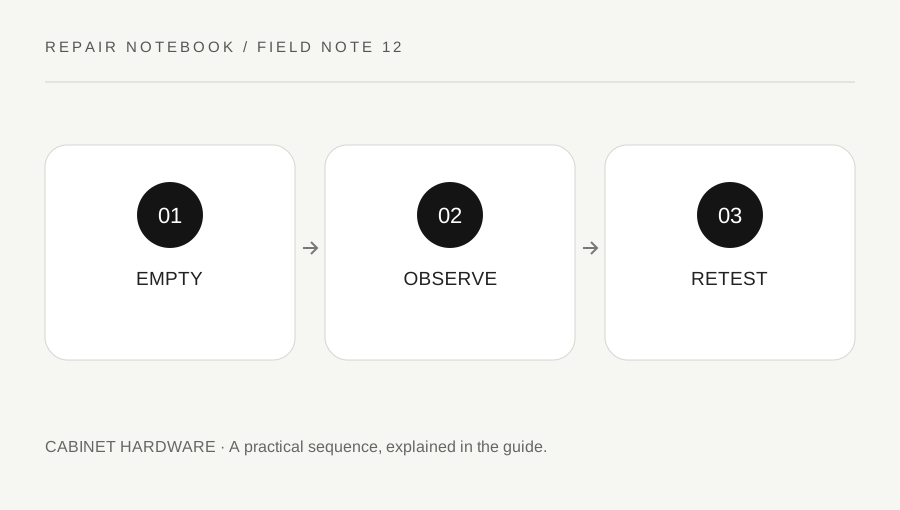
Original explanatory diagram. Numerical examples in this guide illustrate the reasoning; they are not a claim of hands-on testing.
Remove the easy obstruction first
Empty the drawer enough to inspect it safely and check the cabinet opening for items that have fallen behind or beside it. Keep fingers out of pinch points while moving the drawer slowly. A utensil protruding upward or a loose packet caught behind the box can mimic a hardware fault.
Look at the drawer front's gaps and note exactly where rubbing occurs. Does resistance begin immediately, only near full closure or at one side throughout travel? Record that pattern before adjusting anything. Do not force a drawer that has jammed; excess force can damage runners or pull the furniture unexpectedly.
Identify the runner system
Find a maker name, model or instruction sheet. Wooden runners, roller slides and ball-bearing slides have different maintenance and removal procedures. Some include release levers or soft-close units. Do not pull harder because the drawer does not release like a different cabinet you once owned.
If removal is permitted and manageable, support the drawer as directed and use its intended release. Protect the floor and keep removed parts together. Inspect for bent metal, cracked supports, missing rollers or loose structural cabinet parts. Those faults need appropriate replacement or repair rather than a cosmetic alignment adjustment.
Clean only by an approved method
Remove accessible loose debris with a soft brush or vacuum attachment suitable for the finish and mechanism. Avoid washing metal slides or soaking wooden runners. Check the maker's maintenance instructions before applying lubricant. Some mechanisms have factory lubrication or components that should not receive a generic spray.
Check accessible mounting screws without randomly turning adjustment screws. Supporting the drawer front may be necessary while making a permitted adjustment. Use a correctly fitting hand tool and the manufacturer's sequence. If a screw spins without gripping, stop and assess the mounting material rather than tightening more aggressively.
Work through a one-sided rub
Suppose the left edge of a small drawer front rubs near closure, but the drawer travels smoothly when nearly open. After removing an obstruction, the rub remains. Compare the front gaps and consult the model's adjustment diagram. A modest permitted front adjustment may be appropriate, while a bent runner would call for another solution.
Make one small documented change and retest the full travel. Do not adjust both slides, the front and the cabinet feet simultaneously. Multiple changes hide the cause and can create a new misalignment. If the furniture itself is unstable or out of square, address that condition using its assembly guidance before chasing the drawer gap.
Restore normal use carefully
Refit the drawer using the specified engagement procedure and confirm any catches or stops are secure. Test it empty, then with a reasonable normal load within the furniture's rating. Check for tipping risks and restore any anti-tip arrangement disturbed during access according to its instructions.
If the rubbing returns, compare the observation record rather than repeating the same adjustment blindly. A drawer that drops, detaches, binds severely or has damaged supports should remain out of ordinary use until properly assessed. The successful small repair is a clear, stable mechanism operating as intended, not merely a drawer forced closed once.
Keep the model instructions with the furniture record after reassembly. Release levers can be easy to forget, and the next safe removal should not depend on remembering an improvised pulling motion.
A practical checklist
Tick items for your own use. This checklist is saved only in this browser.
Questions that come up
Can I spray lubricant on every runner?
Check the specific runner manufacturer’s guidance first. Different slides and dampers have different maintenance needs. Generic lubricant does not correct bent hardware, loose supports or a misplaced drawer front.
Why should I test the drawer empty?
An empty test separates hardware behavior from overloaded or obstructing contents. Reintroduce a normal permitted load only after the mechanism is secure and operates correctly.
What if the drawer drops on one side?
Stop using it and inspect safely with appropriate help. Failed runner engagement or damaged supports need proper repair or replacement; forcing the drawer closed can worsen the fault.
References & scope
Background references checked on 18 October 2026. The examples and practice exercises are original editorial explanations, not copied procedures or professional advice.