Paint Touch-Ups: Check Colour, Sheen and Texture Before Enlarging the Patch
A touch-up can be visible even when it uses the original colour name. The coating, its sheen, surface texture, age and application method all influence the result. Test a small suitable area before turning a tiny mark into a large repair.
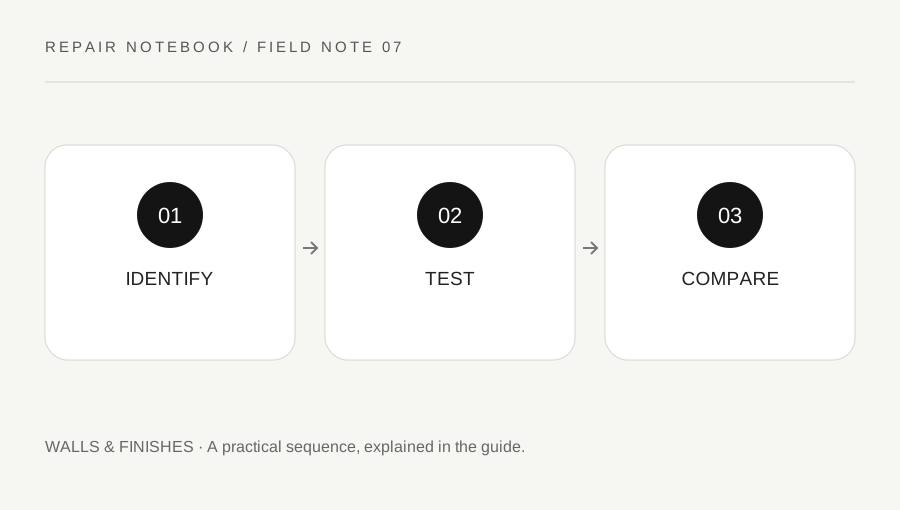
Original explanatory diagram. Numerical examples in this guide illustrate the reasoning; they are not a claim of hands-on testing.
Identify the existing finish
Find the original tin, invoice or decorating record if available. Record the brand, product line, colour code and sheen, not only the friendly colour name. Similar names can refer to different formulas. A new tin with the same code can also differ in appearance from an aged or weathered coating, so treat identification as the beginning of a test.
Check whether the mark is dirt, transferred material or missing paint. Follow the coating maker's cleaning guidance first on a small inconspicuous area. If gentle suitable cleaning removes the mark, repainting may be unnecessary. Do not scrub an unfamiliar delicate finish aggressively or mix cleaners to chase a stubborn spot.
Assess the surface before preparation
Look for loose paint, moisture, a raised filler patch or a dent. Touch-up paint does not flatten a physical defect or solve dampness. A sound, clean surface needs different preparation from a repaired blemish. Read the paint instructions for compatible primer and drying conditions.
Assess the age and composition of existing coatings before sanding or scraping. Older or unknown finishes can require professional assessment, including lead-paint precautions where relevant. This guide assumes a suitable, assessed decorative surface. If the coating is lifting over a broad area, investigate adhesion rather than repeatedly painting small islands of failure.
Make a controlled test
Mix suitable stored paint according to its instructions and confirm that it is still usable. Paint that smells abnormal, has dried lumps or has been stored outside its permitted conditions needs proper assessment or replacement. Use a small clean applicator compatible with the product. Avoid adding water or solvent merely to make old paint spread farther.
Try the repair at a modest scale with the intended application method. A brush mark can catch light differently from a surrounding rolled finish. Keep the coat controlled and allow the full stated drying period before judging colour. Wet paint is not a reliable preview of the final appearance.
Compare a realistic mismatch
Suppose a small filled spot disappears when viewed straight on but shines under a side lamp. The problem may be sheen or texture rather than colour. Applying a darker colour would not address that cause. Compare the surface level, primer recommendation and applicator before changing products.
If a careful compatible touch-up remains obvious, repainting a complete logical wall section may produce a more even result. Decide that scope deliberately and recalculate paint quantity. Do not keep expanding a poorly understood patch by a few centimetres after every drying cycle; it consumes material without revealing which variable is responsible.
Keep a useful finish record
Photograph the dried result in ordinary room lighting and note the paint product, batch if available, applicator and date. Label leftover paint clearly and store it according to the manufacturer's temperature and safety instructions. Keep containers out of children's reach and do not transfer paint into food packaging.
Record whether the result was acceptable from the normal viewing position. A repair does not need a misleading claim of invisible perfection. If future marks appear, the record gives you a tested starting point. Persistent peeling, staining or recurring damp patches deserve investigation of the underlying cause rather than another cosmetic layer.
A practical checklist
Tick items for your own use. This checklist is saved only in this browser.
Questions that come up
Why does the original paint still show?
Age, surface texture, sheen, storage condition and application method can all affect the match. Compare those variables on a small test rather than assuming that a matching colour name guarantees an invisible repair.
Should I thin paint for a touch-up?
Follow the product’s instructions. Unapproved dilution can affect coverage and film behavior. Do not use thinning as a universal solution for colour, texture or sheen mismatch.
When should I repaint the whole wall?
Consider a complete logical section when a careful compatible test remains conspicuous or the surface has many repairs. Assess preparation and calculate the expanded scope before ordering additional paint.
References & scope
Background references checked on 18 October 2026. The examples and practice exercises are original editorial explanations, not copied procedures or professional advice.