Furniture Scuff or Scratch? Identify the Mark Before Choosing a Repair
A pale line on furniture may be transferred material, a finish scuff or damage through the coating. Those conditions need different responses. Begin with observation and the furniture maker’s care instructions, especially on veneer, laminate and delicate finishes.
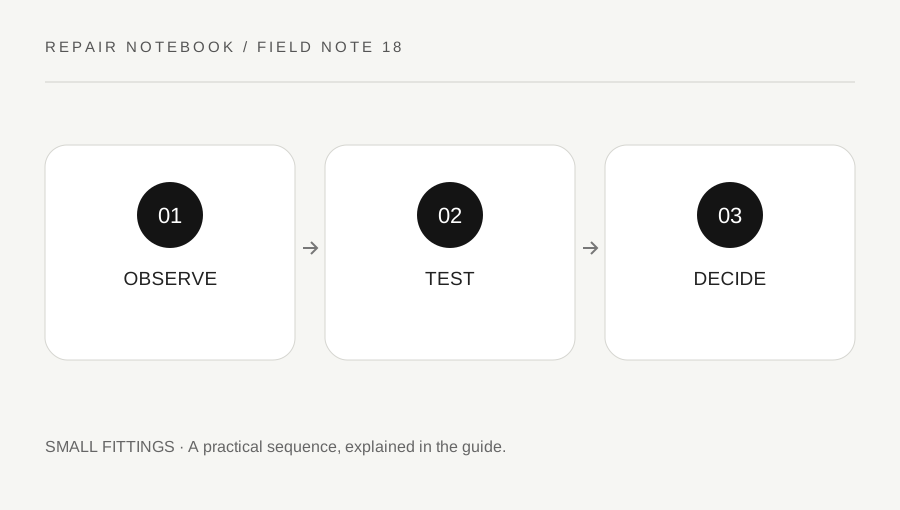
Original explanatory diagram. Numerical examples in this guide illustrate the reasoning; they are not a claim of hands-on testing.
Look at the surface under useful light
View the mark from straight on and at a shallow angle without scraping it. Note whether it appears raised, recessed, discoloured or simply different in sheen. Photograph the whole piece and the close detail. Identify the finish from the maker's label or care sheet rather than assuming every wood-looking surface is solid timber.
Laminate, veneer, painted board and oiled wood are different systems. A method suitable for one can damage another. Do not sand a mark merely because it resembles a scratch, and do not apply a food product or strong solvent based on an unverified household tip. The first objective is to determine the kind of surface and damage.
Try only a compatible gentle clean
Follow the furniture maker's cleaning instructions and test in a hidden location where permitted. Use a clean soft cloth and the specified amount of moisture or cleaner. Avoid soaking edges and seams, particularly on board products. Stop if colour transfers, the finish softens or the sheen changes.
A transferred rubber mark may respond to a permitted cleaning method while a scratch through the coating will remain. Do not keep increasing pressure after the cleaning stage stops helping. Abrasion can enlarge a small visible mark into a broad dull patch. Let the surface dry as directed before judging the result under the same lighting.
Compare repair options honestly
For a superficial finish blemish, the manufacturer may provide a compatible touch-up product or repair service. Check the exact colour and sheen and test according to its instructions. A filler stick, polish and coating repair are not interchangeable products. Avoid promising that any colour-matched marker will recreate grain or restore missing protective film.
Consider an illustrative pale scuff on a laminated cabinet side. A compatible gentle clean removes the transferred material, revealing a much smaller underlying mark. The remaining defect may be acceptable without further work. In a different case, a deep chip exposes board beneath the laminate and needs a suitable component repair or replacement assessment. The same initial appearance can therefore lead to different decisions.
Protect the area and record the choice
If no modest compatible repair is available, stop before creating a larger defect. Valuable, antique or unfamiliar finishes deserve specialist advice. Keep structural cracks, swollen panels and unstable furniture outside a cosmetic scratch task. A visible mark can be a reasonable stopping point when the alternative is uncertain irreversible damage.
Record the surface identity, tested cleaner and result. Review the cause of the mark: a rough object, loose fitting or repeated contact may need correction to prevent recurrence. Add compatible protection only as the furniture and flooring guidance permits. The useful outcome is an understood surface and a deliberate repair choice, not an exaggerated claim that every scratch can disappear with one household ingredient.
Compare from the normal viewing position
A close-up photograph can make a tiny mark look more significant than it appears during normal use. After any permitted test has dried, compare the piece from its usual viewing distance and under ordinary lighting. Record both the close detail and the overall appearance. This helps distinguish a useful modest improvement from a cycle of increasingly aggressive treatment aimed at an unrealistic close-up standard. If a repair product creates a larger sheen difference, stop and reassess before covering more area. A deliberate decision to leave a stable minor blemish is easier when the actual visible effect has been considered.
A practical checklist
Tick items for your own use. This checklist is saved only in this browser.
Questions that come up
Can I sand every wood-looking surface?
No. Thin veneer, laminate and coated board can be damaged quickly. Identify the construction and finish, assess any old-coating concerns and use the maker’s approved repair method or specialist advice.
Why did cleaning make a shiny patch?
The method may have altered the finish or removed material unevenly. Stop and consult the furniture guidance. More pressure or stronger cleaner can enlarge the affected area.
Is a visible small mark always worth repairing?
Not necessarily. Compare a compatible modest repair with the risk of further damage. Keeping a stable cosmetic blemish can be a deliberate choice when the finish is unfamiliar or valuable.
References & scope
Background references checked on 18 October 2026. The examples and practice exercises are original editorial explanations, not copied procedures or professional advice.