Paint Drying, Recoating and Curing: Read the Right Time for the Next Step
A painted surface can feel dry before it is ready for another coat, cleaning or tape. Product labels distinguish these stages for a reason. Plan the next operation using the exact coating instructions and actual room conditions.
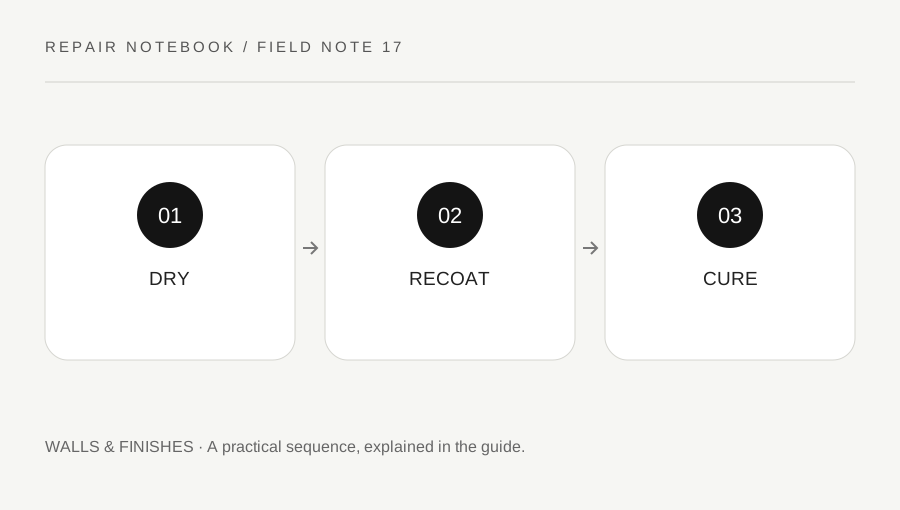
Original explanatory diagram. Numerical examples in this guide illustrate the reasoning; they are not a claim of hands-on testing.
Name the next operation
Ask what you intend to do next: apply another coat, return furniture, close a painted door, clean the wall or attach tape. Each operation can demand a different stage of film development. A quick touch check does not establish readiness for all of them. Avoid repeatedly testing fresh paint with fingers, which can mark the surface or transfer residue.
Read the exact product line's label rather than a general timetable for paint. Different coatings and substrates have different instructions. Record the application time, coat number and relevant conditions. That simple note is more reliable than remembering vaguely that the wall was finished sometime yesterday.
Compare conditions with the label
Coverage and timing information often assumes particular application conditions. Check permitted temperature, humidity, ventilation and film thickness. An unusually thick coat or a poorly ventilated cool room can behave differently from an ideal sample. Follow safe ventilation guidance and do not introduce an unsuitable heater or open flame to accelerate drying.
The surface itself matters too. Dampness, incompatible old coatings and an unsuitable primer can create problems that waiting alone will not solve. Investigate those issues before adding more paint. If a coating stays unexpectedly tacky or wrinkles, consult the manufacturer with the product, substrate and application details.
Use a practical two-coat schedule
Suppose a wall receives its first coat late in the day. The label specifies the minimum interval for recoating under stated conditions. You compare the room conditions, verify the preparation and schedule the second coat accordingly. You do not decide that a dry-looking corner proves every part of the wall is ready.
After the final coat, cleaning and tape application still follow their own instructions. Returning a picture frame against the wall or closing freshly painted contact surfaces can mark a coating before it has developed sufficient resistance. Plan protective access and ordinary room use around the complete sequence. A calendar note for each relevant operation keeps the project from being rushed by an unrelated deadline.
Respond to an unexpected finish
If a surface shows lifting, persistent softness, colour differences or poor adhesion, document the appearance and conditions before changing products. Distinguish a timing issue from an underlying contamination or compatibility issue. Applying another heavy coat can obscure the evidence and add a new variable.
Keep leftover paint and product details according to the storage instructions, and contact the manufacturer where needed. Once the coating reaches its appropriate service stage, follow its cleaning method rather than scrubbing aggressively. A clear record of drying, recoating and service readiness supports future touch-ups and makes the next decorating plan easier to estimate without claiming a universal cure time.
Plan contact with the new coating
Make a short list of objects that normally touch the painted surface: a door edge, picture frame, furniture back or cleaning cloth. Check the coating instructions for each relevant return-to-service operation. Moving furniture into place can create contact even when nobody deliberately touches the wall. Keep suitable clearance without creating a trip hazard, and tell other household members which surface is still developing its finish. If tape is needed for a second task, review its surface requirements separately. This practical contact plan prevents an apparently finished wall from being marked during ordinary cleanup or room reassembly.
A practical checklist
Tick items for your own use. This checklist is saved only in this browser.
Questions that come up
If it feels dry, can I tape it?
Not necessarily. Follow both the paint’s cure guidance and the tape’s surface requirements. Touch-dry and ready-for-adhesive are different conditions.
Can I speed drying with strong heat?
Use only methods allowed by the coating and equipment instructions. Unsuitable heating can create hazards or affect the film. Correct ventilation and permitted conditions are more useful than improvised intense heat.
Why is the second coat lifting the first?
Possible causes include inadequate readiness, compatibility or preparation problems. Stop and document the products and conditions, then consult the manufacturer instead of repeatedly coating over the failure.
References & scope
Background references checked on 18 October 2026. The examples and practice exercises are original editorial explanations, not copied procedures or professional advice.