Clean a Water-Based Paintbrush Without Ruining Its Shape
Prompt, product-appropriate cleaning makes a brush easier to reuse. This guide concerns a brush used with a coating whose label specifies water-based cleanup. Other coatings require their own instructions and should not be treated as interchangeable.
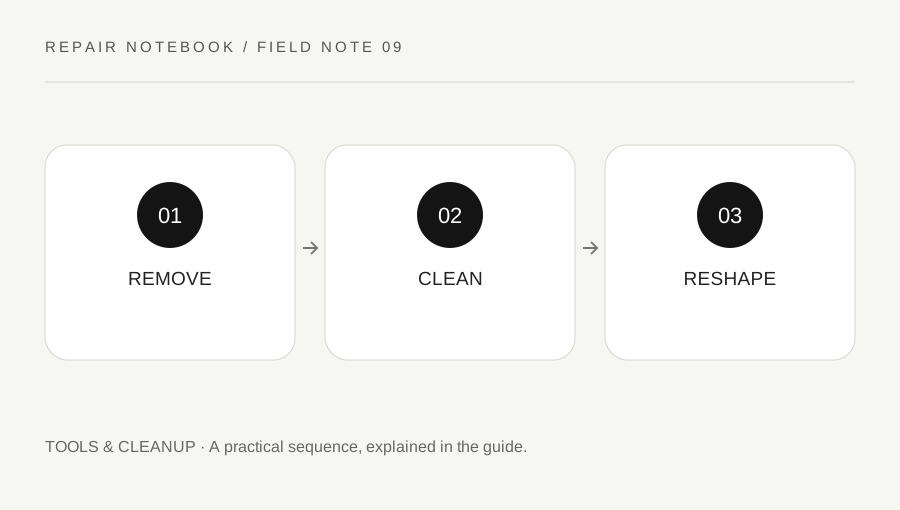
Original explanatory diagram. Numerical examples in this guide illustrate the reasoning; they are not a claim of hands-on testing.
Identify what is on the brush
Read the paint label before selecting a cleaner. The word gloss describes appearance, not necessarily the cleaning system. A water-based gloss and a solvent-based coating can require different treatment. Check the brush maker's compatibility instructions too, particularly if the bristles or handle have special construction.
Prepare a protected cleanup area and suitable containers. Keep wet paint, tools and cleaning materials away from food preparation and children. Wear protection appropriate to the coating label. Do not combine cleaning chemicals or add a strong solvent because a brush still looks coloured; staining and uncured paint residue are not the same issue.
Remove useful excess first
Transfer excess paint to an appropriate working container or remove it using the maker's recommended method. Avoid dragging the bristles sharply across a rough edge, which can bend or damage them. A controlled wipe or gentle working motion reduces the amount that later enters the cleaning stage.
Do not return contaminated material to a clean main tin. Keep reusable paint only where its condition and storage remain suitable. Check local disposal guidance for paint and wash water; a water-based label does not make all liquid waste appropriate for a storm drain. Plan waste handling before starting a large cleanup.
Clean without soaking the whole brush
Follow the coating and brush instructions for suitable water temperature, mild cleaner and working method. Work gently through the bristles, including the area near the ferrule where paint can accumulate. Avoid prolonged immersion of the entire handle and ferrule unless the brush maker specifically permits it.
Use a brush comb or appropriate cleaning tool carefully when recommended. Do not force a sharp object between bristles or bend them against their natural shape. Repeat the allowed cleaning process until uncured residue is removed. A residual tint may remain without meaning the brush is still loaded with usable wet paint.
Check a common cleanup mistake
Suppose a brush was left resting on its tips in a deep container. Even after the paint is removed, the bristles may have taken a bent shape. Next time, support the brush as the manufacturer recommends and avoid storing its weight on the tips. Cleaning method and drying position both matter.
If paint has already cured hard inside the ferrule, ordinary water washing may not restore it. Consult the maker before using a specialized cleaner and assess whether recovery is worthwhile. Scraping aggressively or soaking in a random solvent can damage a brush that might otherwise still work for less demanding tasks.
Reshape, dry and store
Remove excess water by an approved method, align the bristles gently and let the brush dry in the recommended position. Use the original protective keeper where appropriate once the condition suits storage. A keeper helps maintain shape but should not trap unsuitable moisture or uncured coating.
Label a brush if it is reserved for a particular coating or task. Before the next use, check for loose bristles, hardened residue and a distorted edge. A clean brush with an intact shape gives a more predictable result than a tool hurriedly rescued during painting. Proper care supports reuse without promising that every damaged brush can be restored.
Before storage, inspect the ferrule for trapped residue and the handle for damage. A brush with loose metal or shedding bristles should not return to a fine-finish task without assessment.
A practical checklist
Tick items for your own use. This checklist is saved only in this browser.
Questions that come up
Does water-based mean wash water can go anywhere?
No. Follow local waste rules and the coating instructions. Keep paint and cleanup waste out of storm drains. Reducing paint residue before washing makes responsible handling easier.
Why are clean bristles still tinted?
Pigment can stain bristles after uncured residue is removed. Evaluate cleanliness and flexibility using the maker’s guidance rather than judging colour alone.
Can a hardened brush always be saved?
No. Cured coating near the ferrule or damaged bristles may prevent useful restoration. Use only compatible recommended cleaning methods and compare recovery effort with replacement or a less demanding reuse.
References & scope
Background references checked on 18 October 2026. The examples and practice exercises are original editorial explanations, not copied procedures or professional advice.