Cabinet hardware4 min read
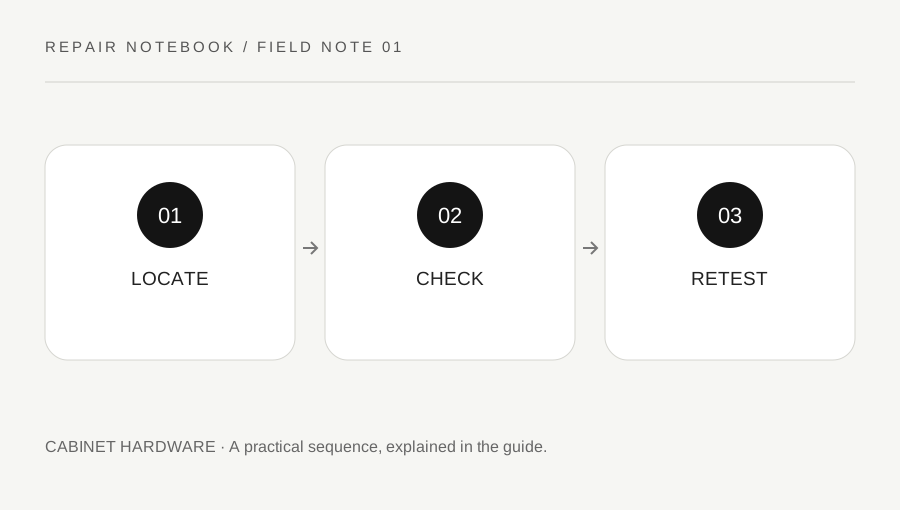
A noisy cabinet door can have more than one cause. This guide covers a small, ordinary cupboard door with accessible hardware. It does not cover heavy doors, spring-loaded mechanisms or a hinge that has pulled out of the cabinet.
Read the complete guide ↗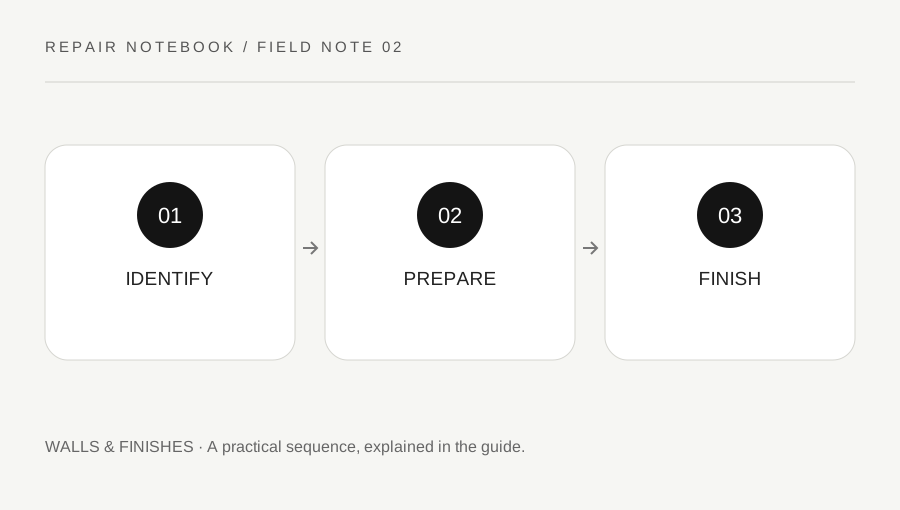
Walls & finishes4 min read
A small picture-hook hole in sound modern plasterboard is a different project from a spreading crack, a damp patch or damaged unknown material. Start by identifying the surface and the reason for the damage, then choose a compatible repair.
Read the complete guide ↗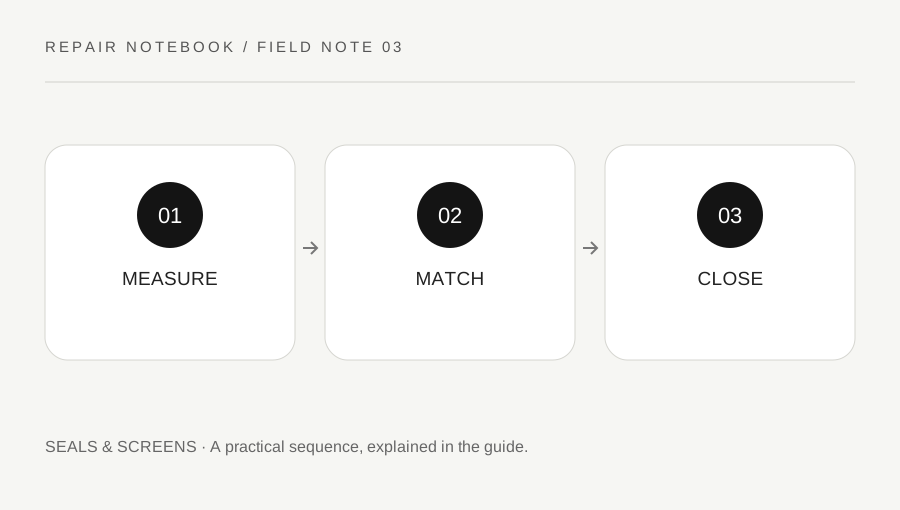
Seals & screens4 min read
A useful door seal closes the intended air gap while allowing the door to latch normally. Choosing a thick strip simply because it feels substantial can make the fit worse. Inspect the door, the frame and the existing seal first.
Read the complete guide ↗
Seals & screens4 min read
An insect screen helps keep insects outside. It is not a fall barrier, security screen or a safe support for a child or pet. Assess an accessible removable screen on a stable work surface before choosing a modest repair.
Read the complete guide ↗
Cabinet hardware4 min read
A cabinet knob can wobble because its screw is loose, too long, poorly seated or no longer engaging sound threads. A simple inspection is more useful than repeatedly tightening it harder. This guide concerns ordinary small cabinet handles and knobs.
Read the complete guide ↗
Measure & plan4 min read
A paint estimate becomes easier to check when room dimensions, openings, coat count and product coverage stay separate. Measure the surfaces you actually intend to paint, then use the selected product label rather than a universal coverage promise.
Read the complete guide ↗
Walls & finishes3 min read
A touch-up can be visible even when it uses the original colour name. The coating, its sheen, surface texture, age and application method all influence the result. Test a small suitable area before turning a tiny mark into a large repair.
Read the complete guide ↗
Walls & finishes3 min read
Masking works best when the tape suits the surface and its permitted application time. A stronger adhesive is not automatically better. Check the coating, choose the specified tape and test before masking an entire room.
Read the complete guide ↗
Tools & cleanup4 min read
Prompt, product-appropriate cleaning makes a brush easier to reuse. This guide concerns a brush used with a coating whose label specifies water-based cleanup. Other coatings require their own instructions and should not be treated as interchangeable.
Read the complete guide ↗
Small fittings4 min read
A felt pad can help protect a suitable floor from ordinary furniture movement, but only when it fits the foot, stays attached and remains clean. It is not a structural repair for an unstable chair or a substitute for the flooring manufacturer’s advice.
Read the complete guide ↗
Small fittings3 min read
Small cabinet bumpers cushion the contact between a door and its frame. A missing pad can change the closing sound, but adding a thick replacement may also change alignment. Inspect the contact points and hardware before choosing a new bumper.
Read the complete guide ↗
Cabinet hardware4 min read
A small drawer can rub because contents obstruct it, debris sits on a runner or its front no longer aligns. Start with gentle observation and a clear work area. Heavy pull-outs, failed supports and load-bearing furniture repairs need a different level of help.
Read the complete guide ↗
Measure & plan4 min read
A replacement screen needs more information than the visible window opening. Frame dimensions, thickness, retaining hardware and the window system all affect fit. Measure an accessible removable screen on a stable surface and verify the supplier’s ordering instructions.
Read the complete guide ↗
Tools & cleanup4 min read
A slipping screwdriver can damage the screw head and the surrounding finish. Matching the recess, size and access angle is a useful first repair skill. This guide concerns accessible ordinary household hardware, with the component supported and no electrical work involved.
Read the complete guide ↗
Measure & plan4 min read
A replacement screw must match more than its visible length. Thread type, diameter, head shape and the component’s intended engagement all matter. Use the hardware maker’s specification whenever possible, and keep ordinary small cabinet fittings separate from structural fasteners.
Read the complete guide ↗
Walls & finishes4 min read
A decorative gap between suitable interior trim and a wall needs a product that matches the materials, expected movement and finish. This guide concerns small dry interior cosmetic gaps. It does not cover waterproofing, plumbing seals, fire stopping or structural joints.
Read the complete guide ↗
Walls & finishes3 min read
A painted surface can feel dry before it is ready for another coat, cleaning or tape. Product labels distinguish these stages for a reason. Plan the next operation using the exact coating instructions and actual room conditions.
Read the complete guide ↗
Small fittings4 min read
A pale line on furniture may be transferred material, a finish scuff or damage through the coating. Those conditions need different responses. Begin with observation and the furniture maker’s care instructions, especially on veneer, laminate and delicate finishes.
Read the complete guide ↗
Measure & plan4 min read
A clear part record saves repeated guesses. Photograph the component in context, capture the label and record dimensions with named reference points. This is especially useful for small cabinet hardware and removable screen fittings that have many near-identical versions.
Read the complete guide ↗
Tools & cleanup4 min read
A modest repair is easier when the work area is ready before a screw is removed or a product is opened. Choose a task within reach and skill, protect the surface and decide what evidence would make you stop and seek the correct help.
Read the complete guide ↗